Table of Contents
With mild weather and fewer crowds, April to early June offers the ideal balance for your solo trip to Rome. You’ll enjoy sun-drenched days perfect for exploring ancient ruins and charming neighborhoods. July and August bring intense heat and packed tourist sites, making sightseeing exhausting. Shoulder seasons provide better access to authentic experiences and shorter lines.
Key Takeaways:
- Spring (April to June) offers pleasant weather, fewer crowds, and blooming scenery, making it ideal for exploring Rome’s historic sites on foot and enjoying outdoor cafés.
- September and early October provide a sweet spot after peak summer tourism, with warm temperatures, cultural events, and a lively local atmosphere perfect for a solo traveler seeking authentic experiences.
- Visiting Rome during shoulder seasons helps avoid long lines at major attractions like the Colosseum and Vatican Museums, allowing for more flexible, spontaneous exploration at your own pace.
The Sharp Clarity of Spring
You’ll find Rome transformed in spring, when the air carries a crisp clarity absent in summer’s haze. Temperatures hover between 15-20°C, ideal for long days of exploration. Crowds are manageable, and sunlight bathes ancient stones in a golden glow that sharpens every detail.
Walking the Appian Way at dawn
Early light stretches across the cobblestones of the Appian Way, casting long shadows from centuries-old cypress trees. You’ll have the path mostly to yourself, the silence broken only by birdsong and distant church bells. This is when Rome feels most authentic and alive, untouched by the day’s rush.
The scent of jasmine in the afternoon
Warm breezes carry the sweet perfume of jasmine drifting over hidden courtyards and sunlit piazzas. You’ll catch it suddenly around a corner near Trastevere, where vines spill over cracked walls. That delicate fragrance marks the height of spring’s charm, fleeting but unforgettable.
That scent isn’t just poetic-it’s a seasonal signal. Jasmine blooms peak from late April to early May, thriving in Rome’s mild afternoons. You’ll notice it strongest near residential alleys where locals tend small gardens, a private luxury spilled into public delight. Inhale deeply; this is nature’s quiet celebration in the heart of the city, a sensory gift available only for a few perfect weeks.
The Heavy Heat of Summer
July and August bring relentless sun and temperatures that often climb past 35°C. Exploring Rome during these months means planning carefully around the midday heat. You’ll find fewer tourists at major sites early in the morning or late in the evening, but the trade-off is sweltering afternoons that can exhaust even the most energetic traveler.
Finding shade in the great basilicas
Step inside St. Peter’s Basilica or Santa Maria Maggiore to escape the sun. These grand churches offer not only cool marble floors and towering ceilings but also moments of quiet reflection. You’ll recharge physically while surrounded by centuries of art and history, making them ideal sanctuaries during the hottest hours.
Drinking from the public fountains
Tap into Rome’s ancient water system by drinking from its ever-flowing nasoni. These iconic fountains dispense fresh, cold water at street corners across the city. Carrying a reusable bottle lets you refill anytime, keeping you hydrated without spending euros on overpriced bottled water.
These small, lion-headed spouts have quenched Roman thirst for generations. The water is safe, filtered, and constantly circulating, so there’s no risk in drinking directly or filling your bottle. Locals do it daily-just angle the spout upward and let the stream flow into your mouth or container. It’s a simple, authentic ritual that connects you to the city’s daily rhythm.
Autumn and the Golden Light
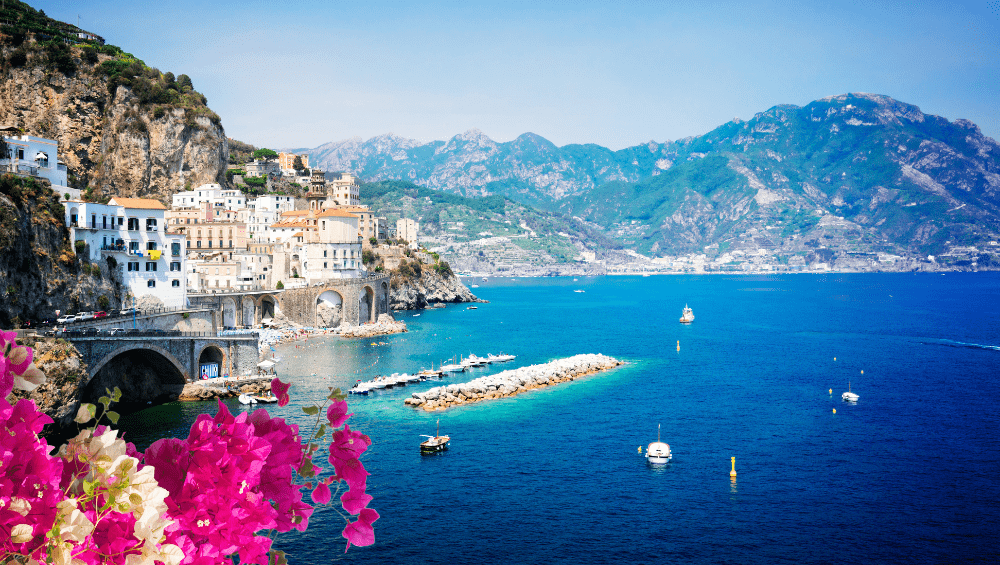
Golden light drapes over Rome in autumn, softening ancient stone and glowing through vine-covered alleyways. You’ll walk through piazzas bathed in warm, late-afternoon sun, crowds thinner than in summer, yet the city still hums with life. This is when Rome feels most intimate, perfect for solo wanderers seeking beauty without the crush.
Drinking wine where the locals go
Settle into a tucked-away enoteca in Trastevere, where Romans unwind after work with a carafe of house wine. You’ll sip bold reds like Cesanese, paying less than five euros for a glass, surrounded by laughter and rapid-fire Italian. These neighborhood spots offer authenticity no tourist menu can match.
The city is turning to burnt orange.
Maple and plane trees along the Tiber shift to deep amber and burnt orange, mirroring the terracotta rooftops. As daylight fades earlier, the city glows with a quiet warmth, inviting you to slow down and savor each moment. This seasonal shift enhances Rome’s timeless charm.
As autumn deepens, the foliage along Villa Borghese and the Janiculum Hill transforms into a mosaic of copper and flame. You’ll notice how the low sun catches the travertine facades, making landmarks like the Pantheon appear to radiate from within. This natural spectacle lasts just weeks, making timing your visit necessary for witnessing Rome at its most poetic.
The Solitude of Winter
Winter wraps Rome in a quiet charm that few travelers witness. You’ll walk ancient streets with space to breathe, think, and truly see. Cold mornings clear the crowds, revealing the city’s soul beneath the usual rush. This is Rome unfiltered, honest, still, and deeply personal.
Watching the mist on the Tiber
Dawn paints the Tiber River in silver haze. You’ll stand on Ponte Sant’Angelo as fog lifts, revealing the dome of Castel Sant’Angelo like a ghost emerging. Moments like this belong only to those who brave the chill, offering a rare intimacy with the city’s timeless rhythm.
Empty squares and cold stone
Stone steps at the Spanish Steps bear no footprints but yours. The Piazza del Popolo echoes with silence, not voices. You’re alone with history, touching columns cooled by winter, feeling the weight of centuries without a selfie stick in sight.
When you sit on the edge of the Fontana delle Tartarughe in Trastevere, gloves on, steam rising from a paper cup, the stillness deepens. No tour groups block the arches of the Pantheon’s portico-just you and the sky through its oculus. This is when Rome feels like yours alone, not a postcard shared by millions. The cold sharpens your senses, making every detail more vivid, every moment more real.
The Truth of Dining Alone
You’ll find that eating solo in Rome isn’t awkward-it’s liberating. Locals respect your space, and many trattorias welcome solo guests at the counter with warmth. For trusted seasonal insights, check out the Best Time to Go to Rome by Rick Steves to plan your trip when the tables are full but not frantic.
A seat at the wooden counter
Claiming a stool at a weathered wooden counter puts you inches from the action. Chefs glance your way with a nod, sliding over plates of cacio e pepe just like they would for a regular. This front-row seat makes you feel seen but never scrutinized, turning a simple meal into a moment of connection.
Bread and oil in the quiet hours
Arriving just before noon, you’ll beat the rush and find the air still cool. A basket of warm bread appears, accompanied by a small dish of golden olive oil. In these quiet hours, the kitchen moves at a calm rhythm, offering you space to savor each bite without pressure to turn the tables.
That early oil tastes different, fruity, sharp, alive, because it’s poured with intention, not routine. Bakers pull fresh loaves from the oven just as you sit, and the staff treats your solo presence as a natural part of the morning flow. You’re not filling a seat; you’re starting the day right, one dip of bread at a time, in a city that respects slowness when you earn it.
Navigating the Ancient Streets
Winding cobbled lanes lead you past millennia-old ruins and hidden piazzas where time seems to pause. You’ll feel the pulse of history beneath your feet as you wander through districts shaped by emperors and artists. Stay alert-some alleys are poorly lit at night, but that’s often where the most authentic moments unfold.
Walking until the boots are worn
Every step reveals another layer of Rome’s soul, from the shadow of the Colosseum at dawn to the quiet hum of Trastevere at dusk. You’ll cover more ground than expected, but the city rewards your aching feet with espresso stops and unexpected views around every corner.
Finding the way without a map
Landmarks become your compass-sight the dome of St. Peter’s Basilica or the peak of the Vittoriano to reorient yourself. Romans rarely rely on phones; instead, they follow instinct and ancient rhythms. Trusting your gut often leads to the best discoveries.
When you let go of the map, Rome reveals its secrets more freely. The city was built to be felt, not just seen. Side streets slope toward fountains, church bells mark the hours, and the Tiber’s curve hints at your location. Even getting lost carries little risk; help is always nearby, and a smile goes far when asking for directions. You’ll learn to read the city like a local, using sunlight on stone and the flow of daily life to guide your way.
Solo Travel Rome
You’ll experience Rome at its finest by visiting in the spring or early fall when pleasant weather and fewer crowds enhance your solo journey. The city’s timeless charm shines without the summer rush, giving you space to explore freely.
When is the best time of year to visit Rome for a solo traveler who wants good weather and fewer crowds?
The best time to visit Rome for a solo adventure is during the shoulder seasons, specifically April to early June and late September to October. These months offer mild temperatures, ranging from 18°C to 25°C (64°F to 77°F), making it comfortable for walking long distances. Tourist numbers are lower than in peak summer, so you’ll spend less time waiting at major sites like the Colosseum and Vatican Museums. The spring months bring blooming gardens and lively street cafes, while early autumn offers golden light and relaxed energy across the city.
Is it safe to travel alone in Rome, especially during certain times of the year?
Rome is generally safe for solo travelers year-round, but safety can depend on awareness and timing. Pickpocketing is more common in crowded tourist areas during peak season (July and August), so extra caution is needed then. Late spring and early fall see fewer crowds, reducing the risk of theft in places like the Trevi Fountain or on public transport. Stick to well-lit, populated streets at night, and avoid isolated areas after dark. Most locals are friendly and used to tourists, making solo exploration manageable and often enjoyable.
Are there any local festivals or events that enhance a solo trip to Rome?
Yes, several festivals can enrich a solo traveler’s experience. In June, Rome celebrates its birthday on April 21 with parades, free entry to archaeological sites, and music across the city. The Estate Romana festival runs from June to September, offering open-air concerts, film screenings, and art exhibitions in piazzas and parks. These events create natural opportunities to mingle with locals and other travelers. In October, the Festa de’ Noantri in the Trastevere neighborhood features street food, live music, and religious processions, giving a genuine taste of Roman culture.
How do flight and accommodation prices change throughout the year for solo visitors?
Prices for flights and hotels spike during high season-July, August, and around major holidays like Easter and Christmas. Summer brings the highest demand, with hotel rates often doubling. April, May, September, and October offer better value, with savings of up to 30-40% on accommodations. Booking hostels or budget guesthouses in advance during these months ensures both affordability and availability. Off-season travel (November to February, excluding holidays) offers the lowest prices, though some attractions may have shorter hours or require indoor planning due to cooler, rainy weather.
Can solo travelers enjoy Rome’s dining culture without feeling out of place?
Absolutely. Romans are accustomed to people dining alone, especially at lunchtime or in casual settings. Many trattorias and wine bars have counter seating or small tables perfect for one. Solo travelers often find it easy to strike up conversations at neighborhood osterias or food markets like Mercato di Testaccio. Eating at off-peak hours (before 7:30 PM or after 9 PM) helps avoid long waits and gives a more relaxed experience. Gelato stops, espresso at the bar, and picnic-style meals by the Tiber River are all natural fits for independent travelers.