Table of Contents
With diverse cultures around the world, it is fascinating to explore how people in holiday destinations celebrate in unique ways. These 6 top holiday destinations showcase their unique festivities and traditions from around the world. From dazzling parades to serene rituals, you’ll gain insight into the joy and reverence that characterize these celebrations. Understanding the customs of these holiday destinations will enrich your travel experiences and offer a deeper appreciation for the diverse ways people come together to honor special occasions.
Key Takeaways:
- Holiday destinations showcases unique cultural traditions, from vibrant parades and festivals to solemn rituals, highlighting the rich diversity of global celebrations.
- Food plays a central role in holiday celebrations worldwide, with traditional dishes and festive meals reflecting the local culture and history of each country.
- Festivals often provide insights into local customs and values, offering travelers an opportunity to engage with communities and experience authentic local festivities at holiday destinations.
Festivities of Rio de Janeiro
Carnival: A Celebration of Culture and Unity
Carnival in Rio de Janeiro is not just a festival; it’s an electrifying explosion of color, sound, and emotion that captivates millions every year. Usually occurring in February or March, this vibrant celebration draws approximately 2 million people per day to the streets, fostering a massive communal spirit among both locals and tourists. Central to its essence are the samba schools, each representing different neighborhoods and competing for the title of champion in an exhilarating parade held at the Sambadrome. The rhythmic beats of samba resonate through the city, embodying Brazil’s rich cultural heritage and fostering a profound sense of unity among participants.
Unique Local Traditions During the Festival
Beyond the grand parades, Rio’s Carnival is steeped in several unique local traditions that elevate the festivities to extraordinary levels. One of the highlights is the bloco, a street party that takes place throughout the city. Each bloco boasts its own theme, often humorously reflecting social issues or local folklore. Participants dress in costumes that range from the extravagant to the downright playful, creating a kaleidoscope of visuals that showcase individuality and creativity. You can’t miss the three-day celebration of the bloco Cordão do Bola Preta, known for its traditional mix of samba and other musical influences, which draws hundreds of thousands of revelers who dance and sing through the streets.
Furthermore, many locals engage in rituals that lead up to Carnival, such as the Feijoada feast, a traditional black bean stew often served with rice, greens, and orange. This dish not only fuels your festivities but symbolizes the community spirit and history that surrounds Carnival. As you indulge in the rich flavors, you join decades of cultural storytelling, making your experience even more immersive. The combination of music, dance, food, and art during this festival makes it an extraordinary event that embodies the soul of Rio de Janeiro and highlights its vibrant communities.
The Serene Solstice Celebrations in Sweden
Midsummer: Rituals and Symbolism
Midsummer in Sweden is not just a day; it’s a multifaceted cultural experience steeped in traditions that have been cherished for generations. Celebrated during the summer solstice, marking the longest day of the year, this festival usually takes place around June 20th to 26th. Families come together to build *midsummer poles* adorned with flowers, greenery, and ribbons—this symbolizes fertility and the blossoming of life. After raising the pole, Swedes engage in traditional dances, often singing songs that have been passed down through the ages, celebrating the arrival of summer. It’s not uncommon to see locals wearing traditional folk costumes, reinforcing the importance of cultural heritage during this vibrant festival.
The significance of Midsummer extends beyond joyful gatherings; it embodies a deep respect for nature. Foods such as pickled herring, new potatoes, and fresh strawberries are integral to the feast, and toasts with schnapps, accompanied by singing and drinking songs, are a familiar ritual. You might find yourself joining in the merriment, feeling the warmth of community and the essence of Swedish traditions. As the sun sets, it’s a time for bonfires, often believed to ward off evil spirits, making this celebration a perfect blend of joy and reverence towards the natural world.
Influence of Nature on Festivities
Sweden’s deep connection to nature becomes evident in the essence of Midsummer festivities. The importance of the natural landscape is reflected in how families choose to celebrate their special occasions. Most celebrations occur in scenic outdoor locales, such as gardens, lakesides, or forests, embodying the spirit of the summer solstice. For many Swedes, being in nature is crucial not only for the festivities but also for rejuvenating one’s spirit after the long winter months.
The proximity to nature allows you to immerse yourself fully in the festival’s atmosphere, often accompanied by traditional games and outdoor activities, such as flower wreath-making and singing. The lush, blooming flora of late June provides an abundance of natural decorations, with wildflowers and greenery becoming central elements of the festivities. This harmonious relationship with nature not only enhances the beauty of Midsummer but also deepens the community’s bond with its environment, fostering a greater appreciation for the Swedish wilderness.
Colorful Traditions of India’s Diwali
Significance of Lights and Fireworks
Diwali, known as the Festival of Lights, holds deep significance in Indian culture. Celebrated by millions worldwide, this vibrant festival symbolizes the triumph of light over darkness and good over evil. Homes and public spaces are adorned with colorful oil lamps (diyas) and strings of lights, creating a mesmerizing atmosphere after sunset. The stunning displays of fireworks are not merely for entertainment but are also believed to drive away negative energies, enhancing the spirit of joy and togetherness that defines the festival.
During this time, it is common to hear laughter and cheers as families come together to celebrate. The explosive sounds of fireworks echo in the night, complementing the dazzling lights that illuminate the sky. In many regions, people partake in rituals, offering prayers to Lakshmi, the goddess of wealth, to invite prosperity into their lives. The incorporation of lights and fireworks serves as a proclamation of hope and renewal, resonating with both the young and the old.
Family and Community Involvement
Diwali is a festival in India best celebrated collectively, with family and community playing pivotal roles in the festivities. In households, you will find members engaged in preparing traditional sweets and snacks, creating colorful rangoli designs at the entrance, and shopping for new clothes, which are believed to invite new beginnings. Families often gather to perform rituals, sharing prayers and blessings to unify their aspirations for the coming year.
The communal aspect of Diwali shines through in neighborhood celebrations. People exchange sweets, visit each other’s homes, and partake in larger community gatherings, where local events may feature music, dance performances, and even fairs. It is a time of forgiveness and charity as many choose to donate to those in need, embodying the spirit of sharing that Diwali represents. Additionally, in urban centers and villages alike, public celebrations foster a sense of unity among diverse cultural backgrounds, reminding everyone of the harmony and joy that the festival brings.
Melodic Harmony of Japan’s Hanami
Cherry Blossom Viewing: A Cultural Phenomenon
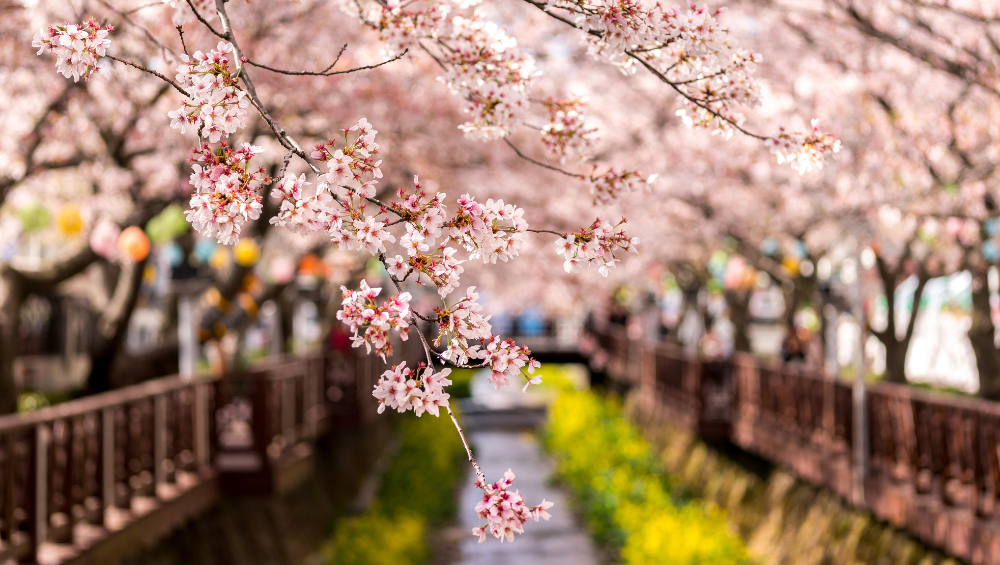
As spring graces Japan with its presence, the arrival of cherry blossoms, or sakura, transforms the landscape into a breathtaking spectacle. During Hanami, or cherry blossom viewing, you may find yourself surrounded by friends and family in parks, celebrating the fleeting beauty of these flowers. In this season, the Japanese take to the gardens, where cherry trees bloom in hues of pink and white, setting the stage for picnics and revelry. Local communities often organize festivities centered around cherry blossom trees, inviting you to participate in an age-old tradition that fosters appreciation for nature and a sense of connection among people.
Throughout your Hanami experience, you’ll encounter dozens of food stalls offering traditional treats, such as dango (sweet rice dumplings) and sake, which will enhance your immersion in the season. The celebration also extends into the evenings, where lanterns illuminate the cherry blossoms, creating an ethereal atmosphere for those taking part in nighttime viewings known as “yozakura.” Don’t be surprised if you become captivated by the stunning sight of the cherry blossoms drifting gently down, marking the impermanence of life, as the Japanese often reflect on the poignant beauty captured in this moment.
Traditional Customs Associated with the Season
The customs surrounding Hanami hold great significance, deeply intertwined with centuries of Japanese culture. You’ll notice families and colleagues gathering under the cherry trees, where they share not just food, but also stories, laughter, and a sense of unity. This practice is deeply symbolic, echoing the seasonal cycle and the transient nature of beauty, urging you to cherish life’s fleeting moments. Many regions also host various local festivals, where traditional music and dance performances complement the visual splendor of the blossoms, adding an extra layer of enjoyment to the occasion.
In addition to the picnics and gatherings, Hanami is often marked by a spirit of mindfulness. As you take in the scenery, you might participate in traditional calligraphy or poetry readings inspired by the blossoms, connecting yourself with the artistic spirit that has flourished in Japan for centuries. The presence of cherry blossom-themed merchandise, ranging from kimonos to ceramics, serves as a poignant reminder of the season’s significance in the collective consciousness. Ultimately, Hanami allows you to step outside the rigors of daily life and immerse yourself in the tranquility and beauty of Japan’s vibrant culture.
Taste of Thanksgiving in the United States
Origins and Evolution of the Holiday
Thanksgiving in the United States has its roots in the early 17th century, when English Pilgrims and Native Americans came together for a harvest feast in Plymouth, Massachusetts. While this celebration is often romanticized as a symbol of harmony, it actually marked a complex relationship between the two groups that evolved. Officially proclaimed by President Abraham Lincoln in 1863 during the Civil War, Thanksgiving was established as a national holiday destination to foster unity and gratitude. This shift transformed it from a regional harvest festival into a nationwide observance filled with traditions that continue to thrive today.
The holiday has since evolved, reflecting broader social changes and the consolidation of American values. By the 20th century, the celebration of Thanksgiving had become firmly rooted in American culture, emphasizing themes of family, gratitude, and community. Over the years, it has inspired various cultural adaptations, expanding its meaning while maintaining its essence, showcasing how historical events shape national identities.
Modern-Day Celebrations and Culinary Traditions
Contemporary Thanksgiving celebrations often mean gathering around the dinner table with family and friends to share a feast featuring iconic dishes. The centerpiece of your meal is likely to be a large, roasted turkey, often accompanied by stuffing, cranberry sauce, and a range of delectable sides, such as mashed potatoes, green bean casserole, and sweet potato pie. Each family adds its own flair to the menu, incorporating recipes passed down through generations or adapting new culinary trends, demonstrating the holiday’s ability to blend tradition with innovation.
In addition to the food, the celebrations often include various *modern-day activities*. Watching parades, such as the famous Macy’s Thanksgiving Day Parade in New York City, has become a cherished tradition associated with holiday destinations. Football games, both professional and local, entertain families and friends who gather to root for their favorite teams. Volunteering to serve meals at shelters shows the spirit of giving back and reinforces the holiday’s themes of gratitude and community. As you dig into your Thanksgiving feast, you’re taking part in a dynamic and evolving tradition that reflects the diverse tapestry of American life.
Multifaceted Christmas Traditions in Germany
Origin of Christmas Markets
One of the most enchanting aspects of Christmas in Germany is the vibrant array of Christmas markets, known as “Weihnachtsmärkte.” Originating in the late Middle Ages, these markets are believed to date back to the 1400s, when they were established to provide locals with everything they needed to celebrate the festive season. As you stroll through the streets lined with rustic wooden stalls, you’ll find an array of handcrafted ornaments, delicious treats like Lebkuchen (gingerbread) and Bratwurst, and, of course, the warming glühwein that captures the spirit of winter. Each city has its unique spin on the market experience, but the overall atmosphere remains a delightful mix of community spirit and historical charm.
Try exploring the iconic Christkindlesmarkt in Nuremberg, known for its breathtakingly beautiful decorations and handcrafted toys. Alternatively, head to the Cologne Christmas Market, where the impressive cathedral provides a stunning backdrop to the festive stalls. These enchanting markets not only showcase local artisans but also foster a sense of connection among visitors and vendors during the holiday season, making them a must-visit during your time in Germany.
Unique Customs Across Different Regions
Germany’s diverse regional traditions offer an array of unique customs that highlight the country’s rich cultural tapestry. For example, in some areas, children eagerly await the arrival of the Christkind, a gift-bringer symbolizing the Christ child, while others celebrate the feats of Santa Claus, known locally as Weihnachtsmann. In Saxony, the small towns observe a tradition called “Schwibbogen,” where illuminated wooden arches adorned with candles are displayed in homes, creating an inviting warmth during the cold winter nights.
In Upper Bavaria, locals observe the tradition of baking festive pastries called “Stollen,” a fruit-laden bread that symbolizes the birth of Christ. Your exploration of these traditions will reveal just how much regional identity shapes the way Christmas is celebrated throughout Germany, creating a magical experience that varies from one city to another.
Holiday Destinations Around the World
Considering all points, it is clear that each of the top 6 holiday destinations around the world showcases unique traditions and cultural expressions during their holiday celebrations. Whether you find yourself immersed in the vibrant parades of New Orleans, the traditional lantern festivals in Thailand, or the cozy family gatherings in Germany, each experience offers a unique glimpse into the local customs and way of life. By exploring these diverse celebrations, you not only enhance your travel experience but also connect with the people and history of each place you visit.
Your understanding of these varied holiday celebrations allows you to appreciate the rich tapestry of global cultures. As you immerse yourself in the local festivities, you gain insights that enrich your personal journey, making your travels more meaningful. Engaging with different traditions opens up a world of knowledge and allows you to create lasting memories that resonate long after your travels conclude. Consequently, these experiences become a treasured part of your international adventures, shaping the way you perceive and celebrate holidays in your own life.
Holiday Destination FAQs
How do people celebrate Christmas in the United Kingdom?
In the UK, Christmas is celebrated with various traditions, including decorating Christmas trees, sending cards, and singing carols. Families often come together for a Christmas meal featuring turkey and traditional desserts, such as Christmas pudding. Many also participate in festive markets and events, and the day is capped off with gift exchanges on Christmas morning.
What are some unique New Year’s Eve traditions in Japan?
In Japan, New Year’s Eve, known as “Omisoka,” is celebrated with family gatherings, special meals featuring soba noodles for longevity, and various purification rituals. At midnight, many people visit shrines or temples to ring bells (Joya no Kane), symbolizing the release of sins from the past year. Traditional decorations, called “shimekazari,” are also hung to welcome new beginnings.
How is Diwali celebrated in India?
Diwali, the Festival of Lights, is celebrated with great enthusiasm across India. Homes are decorated with oil lamps or diyas, and colorful rangoli designs are created at doorsteps. Families engage in prayers to Lakshmi, the goddess of wealth, and share sweets and gifts as a way to express their gratitude. Fireworks and family dinners are standard, with regional variations that reflect local customs.
What makes Mardi Gras in New Orleans special?
Mardi Gras in New Orleans is marked by vibrant parades, elaborate floats, and colorful costumes. The celebration revolves around music, dance, and the tasting of traditional foods, such as King Cake. Carnival season kicks off with various local events leading up to Fat Tuesday, culminating in a festive atmosphere where communities come together to revel before Lent.
How do people observe Thanksgiving in Canada compared to the United States?
Thanksgiving in Canada is celebrated on the second Monday of October, while in the US, it falls on the fourth Thursday of November. Canadians typically enjoy a harvest feast similar to their American counterparts, featuring turkey, stuffing, and pumpkin pie. However, Canadian Thanksgiving has a more low-key feel, often focusing on spending time with family and the changing seasons, without the extensive parades commonly associated with the US holiday.