Table of Contents
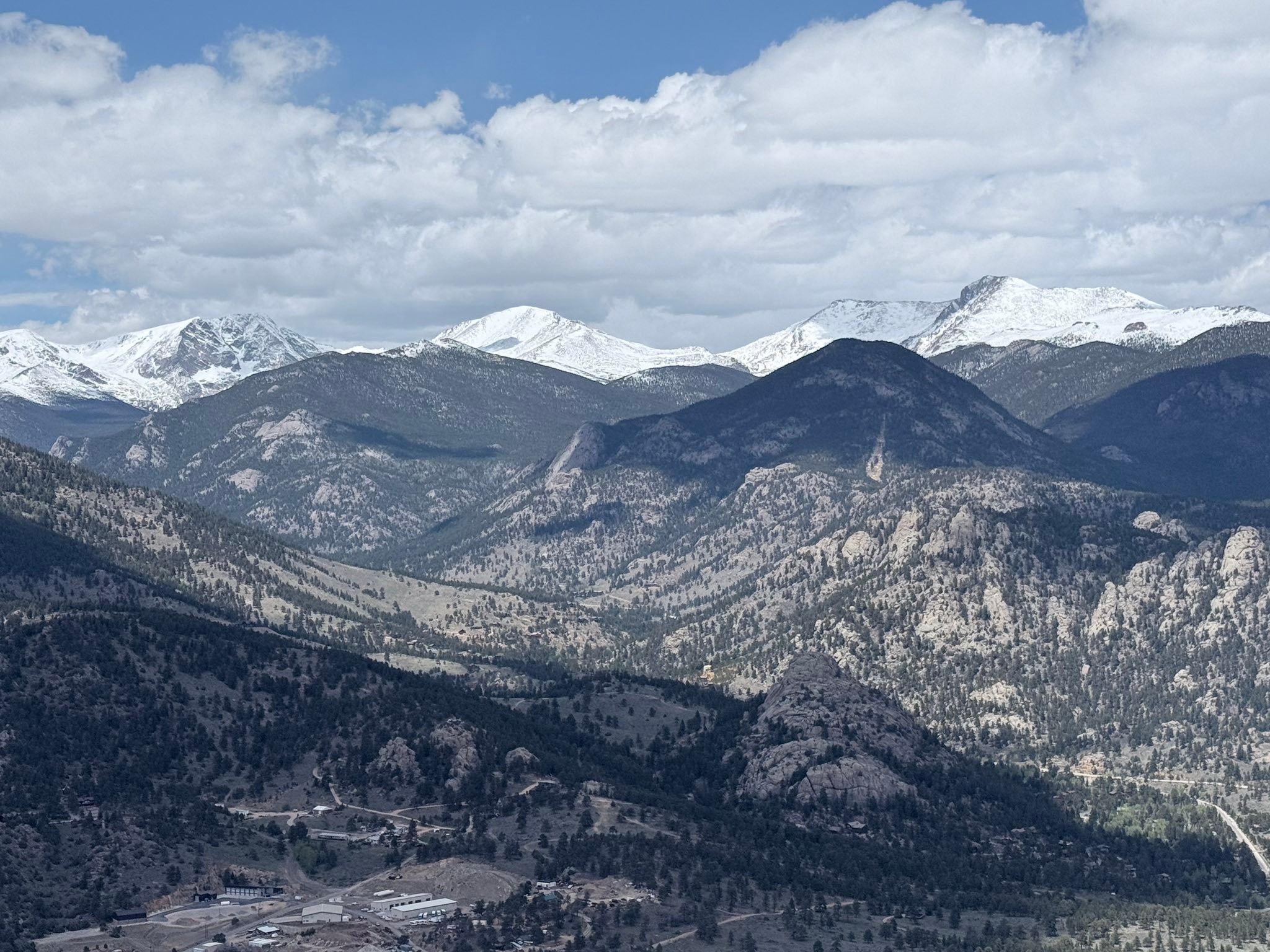
There’s something about Estes Park that hits different than your typical mountain town – I’ve explored dozens of Colorado destinations, and this place keeps pulling me back. Nestled at 7,522 feet elevation, you’ll find yourself standing at the gateway to Rocky Mountain National Park, where elk wander through town like they own the place (spoiler: they kind of do). The air’s so crisp it almost hurts your lungs in the best way possible, and honestly, I can’t think of a better basecamp for your Colorado adventure.
Key Takeaways:
- Estes Park sits at 7,500 feet elevation right at the entrance to Rocky Mountain National Park, which means you’re getting that genuine alpine experience without having to drive for hours into the backcountry. The town itself has this perfect balance – it’s touristy enough that you’ll find good restaurants and shops, but it hasn’t lost that mountain town charm where locals still outnumber visitors in the off-season. You can literally walk from your hotel to a trailhead that takes you into serious wilderness within 20 minutes.
- Wildlife viewing here isn’t just a possibility… It’s pretty much guaranteed if you spend more than a day in the area. Elk wander through town like they own the place (because honestly, they kind of do), and during fall rutting season, you’ll hear their bugling echoing through the valleys at dawn. Bighorn sheep hang out on the rocky slopes, and if you’re patient and lucky, you might spot moose in the willow-filled wetlands. Just keep your distance – these aren’t zoo animals, and a bull elk during mating season is not something you want to mess with.
- The weather up here can change faster than you can say “mountain microclimate,” so pack layers even if it’s sunny and 70 when you leave your car. I’ve seen it go from perfect blue skies to hail and back to sunshine in under an hour. Summer afternoons bring those classic Colorado thunderstorms that roll in around 2 or 3 PM, so serious hikers usually start early. And yeah, the sun feels more intense at this elevation – you’ll burn faster than you think, even on cloudy days.
Seriously, Why is Rocky Mountain National Park a Must-See?
Picture yourself standing at 12,000 feet, watching elk graze in alpine meadows while snow-capped peaks stretch endlessly before you. Rocky Mountain National Park delivers exactly this kind of jaw-dropping scenery across 415 square miles of pure Colorado wilderness. I’ve visited dozens of national parks, and this one consistently ranks in my top three for sheer accessibility and variety.
The iconic drives that’ll take your breath away
Trail Ridge Road climbs to 12,183 feet, making it the highest continuous paved road in North America. You’ll pass through multiple ecosystems in just 48 miles, from montane forests to tundra that looks like you’ve teleported to the Arctic. The views? Absolutely insane.
Why Bear Lake and Sprague Lake are actually worth the hype
Yes, these lakes get crowded, but there’s a reason everyone flocks here. Bear Lake’s crystal-clear waters perfectly mirror Hallett Peak and the Continental Divide, creating postcard-worthy photos at literally every angle. Sprague Lake offers equally stunning views with wheelchair-accessible paths around the entire shoreline.
I’ll be honest – I was skeptical about visiting such popular spots until I arrived at sunrise. The thing about these lakes is they’re genuinely beginner-friendly while still offering that “wow, I’m really in the Rockies” feeling. Bear Lake sits at the trailhead for multiple longer hikes, so you can start easy and push further if you’re feeling ambitious. Sprague Lake is even gentler, with a flat 0.9-mile loop that takes about 30 minutes… but you’ll probably spend way longer just staring at Stones Peak reflected in the glassy water. Both lakes are accessible year-round, though you’ll need snowshoes or cross-country skis in winter. The parking lots fill up by 8 AM during summer, so either arrive super early or take the free shuttle from the park-and-ride.
Best hiking trails for people who aren’t pro athletes
Alberta Falls Trail covers just 1.7 miles round-trip with only 200 feet of elevation gain. You’ll reach a gorgeous 30-foot waterfall without destroying your knees, and the path stays relatively flat and well-maintained. Nymph Lake Trail adds another easy option at just 1.1 miles round-trip.
Listen, not everyone wants to tackle a 14er on their vacation, and that’s totally fine. These trails prove you don’t need to be a hardcore mountaineer to experience the park’s beauty. I’ve taken my 65-year-old mom on both routes, and she handled them without issues (though we did take our time and brought plenty of water). The Lily Lake Loop is another fantastic choice at 0.8 miles around a serene lake with mountain views. Dream Lake Trail pushes things slightly at 2.2 miles round-trip, but the 425-foot elevation gain happens gradually, and the payoff is one of the most photographed spots in the entire park. Just remember that “easy” at 9,000+ feet elevation feels different than sea level – your lungs will remind you of this fact pretty quickly. Take breaks, hydrate constantly, and don’t feel bad about going slower than the trail runners who zoom past you.
My Take on the Estes Park Aerial Tramway Experience
Gliding above Estes Park in vintage tramway cars changed my perspective on mountain travel. The four-minute ride whisks you 1,100 vertical feet to Prospect Mountain’s summit, where panoramic views of the Continental Divide unfold. Your stomach might do a little flip as the car ascends, but trust me, it’s worth every second.
Riding those cool retro red cars from the fifties
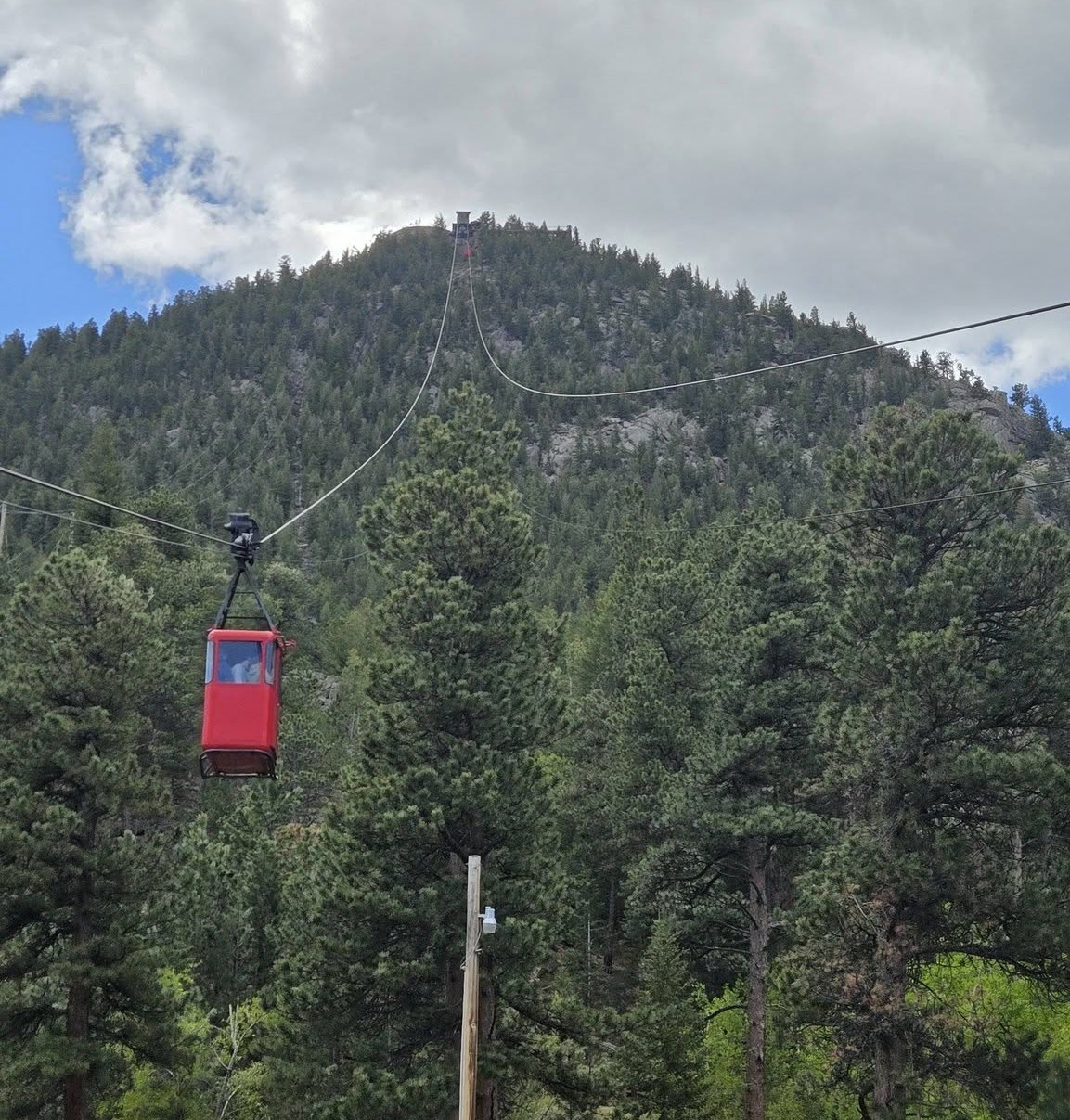
These cherry-red cable cars date back to 1955 and somehow still feel timeless. I loved the rounded windows and compact interior that holds about 20 passengers – it’s like stepping into a postcard. The original Swiss-made design has character that modern gondolas just can’t match.
How does this engineering marvel fly without any towers
Most aerial tramways need support towers every few hundred feet, but this one doesn’t. The entire 1,830-foot cable span connects directly from base to summit with nothing in between. It’s one of only a handful built this way in North America.
The engineering behind this tower-free design still impresses me every time I think about it. Two massive steel cables – each about 1.5 inches thick – support the entire weight of the cars and passengers while maintaining the proper tension across that gap. The lower station houses enormous counterweights and a powerful motor system that keeps everything balanced. Because there are no mid-span towers, the cables had to be calculated for maximum stress points, wind loads, and temperature fluctuations that could cause expansion or contraction. The Swiss engineers who designed this system in the 1950s really knew their stuff… and the fact that it’s still operating safely seven decades later proves they got it right.
What it’s like hanging out with chipmunks at 8,708 feet
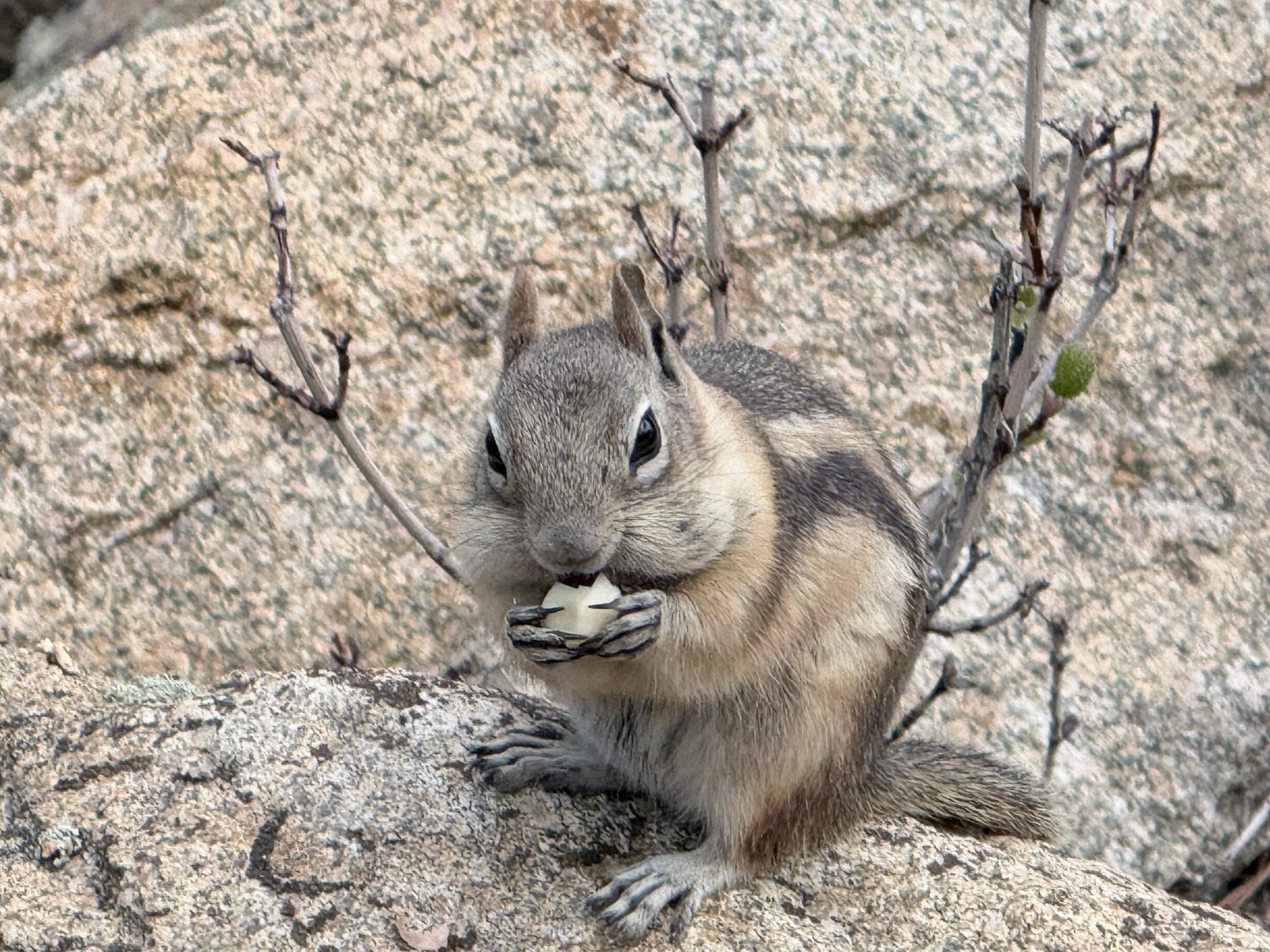
You’ll meet the real locals once you reach the summit observation deck. These fearless chipmunks have zero personal space boundaries and will practically pose for your photos. I spent 20 minutes watching them dart between rocks, their cheeks stuffed with seeds.
The altitude makes everything feel different up there – the air’s thinner, the sun feels closer, and those little chipmunks seem more energetic than any wildlife I’ve encountered at lower elevations. They’ve adapted perfectly to life at nearly 9,000 feet, where temperatures can drop quickly, and weather changes in minutes. I watched one particularly bold chipmunk approach within inches of my hiking boot, completely unfazed by human presence. These animals are wild, though, so resist the urge to feed them, no matter how cute they act. The summit’s gift shop sells trail mix, but that’s for you, not your furry friends. The best part? You can sit on the wooden benches surrounding the observation platform and just watch their antics while taking in views that stretch for miles. On clear days, you’ll see Long’s Peak in the distance while chipmunks scurry across the rocks in the foreground – it’s this weird mix of intimate wildlife encounter and epic mountain vista that you won’t find anywhere else.
The Real Deal About Our Neighbors with Antlers
Why you’ll find elk just hanging out in the middle of town
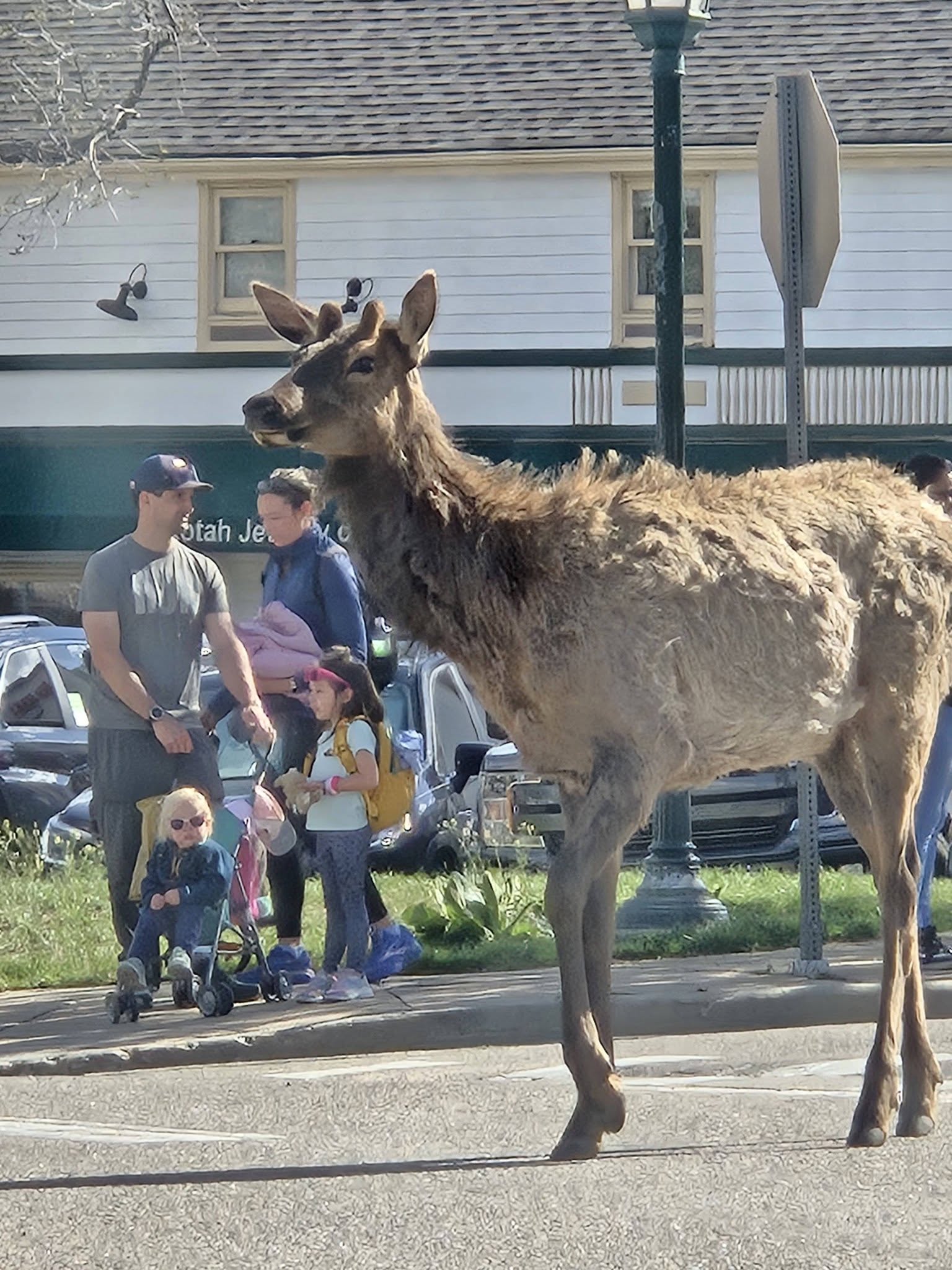
Estes Park’s elk population treats downtown like their personal living room, and there’s a good reason for it. The town sits right in their natural migration corridor, so they’re not invading our space – we built in theirs. During fall rutting season, you’ll spot massive bulls with their harems grazing on the golf course, blocking traffic on Elkhorn Avenue, or napping in front of the post office like they own the place.
The best spots to catch a sunset with the local wildlife
Moraine Park offers the most spectacular elk-watching during golden hour, when hundreds of elk gather against the backdrop of the Continental Divide. I’ve watched the sky turn pink and purple while bulls bugled across the meadow, and honestly, it never gets old. Horseshoe Park at dusk runs a close second for those jaw-dropping wildlife moments.
Getting there early makes all the difference because the prime viewing spots fill up fast during September and October. I always bring my longest lens and a folding chair, then park along the pullouts on Bear Lake Road, where you can watch the herds move across the valley floor. The meadows come alive right before sunset – bulls start bugling, cows call to their calves, and the whole scene feels like stepping into a nature documentary.
You’ll want to position yourself on the eastern side of Moraine Park for the best light, where the alpenglow hits the peaks behind the elk and creates that magical rim lighting photographers dream about. The meadow grass glows golden, steam rises from the elk’s breath in the cool evening air, and if you’re lucky, you might catch a bull mid-bugle with the mountains framing the shot perfectly.
Don’t be that person: The rule of thumb for safe viewing
Elk might look like oversized deer, but they’re wild animals that can and will charge if you get too close. Stay at least 25 yards away – that’s about two bus lengths – and triple that distance during rutting season when bulls are aggressive and unpredictable. Your zoom lens exists for a reason, so use it instead of your feet.
I’ve seen tourists do incredibly stupid things around elk, and I mean truly mind-boggling stuff. People walk right up to bulls during the rut thinking they’ll get that perfect selfie, parents push their kids toward elk for photos, and some folks actually try to pet them like they’re farm animals at a petting zoo.
Bull elk during September and October are hopped up on testosterone and will defend their harems without hesitation – I watched a guy get chased across a parking lot last year because he ignored the 25-yard rule. If an elk puts its ears back, raises its head high, or starts walking toward you, you’re way too close and need to back off immediately. Your safety beats any photograph, and the rangers will ticket you for wildlife harassment if you’re being reckless, which comes with hefty fines that’ll ruin your vacation budget real quick.
Is the Stanley Hotel Actually as Spooky as They Say?
The history behind the place that inspired Stephen King
Stephen King checked into Room 217 back in 1974, and that one-night stay sparked The Shining. The hotel was nearly empty – just him and Tabitha wandering those echoing corridors. I’ve talked to staff who swear the place has been different ever since his visit, like his story somehow woke something up.
Walking through those grand halls and the famous architecture
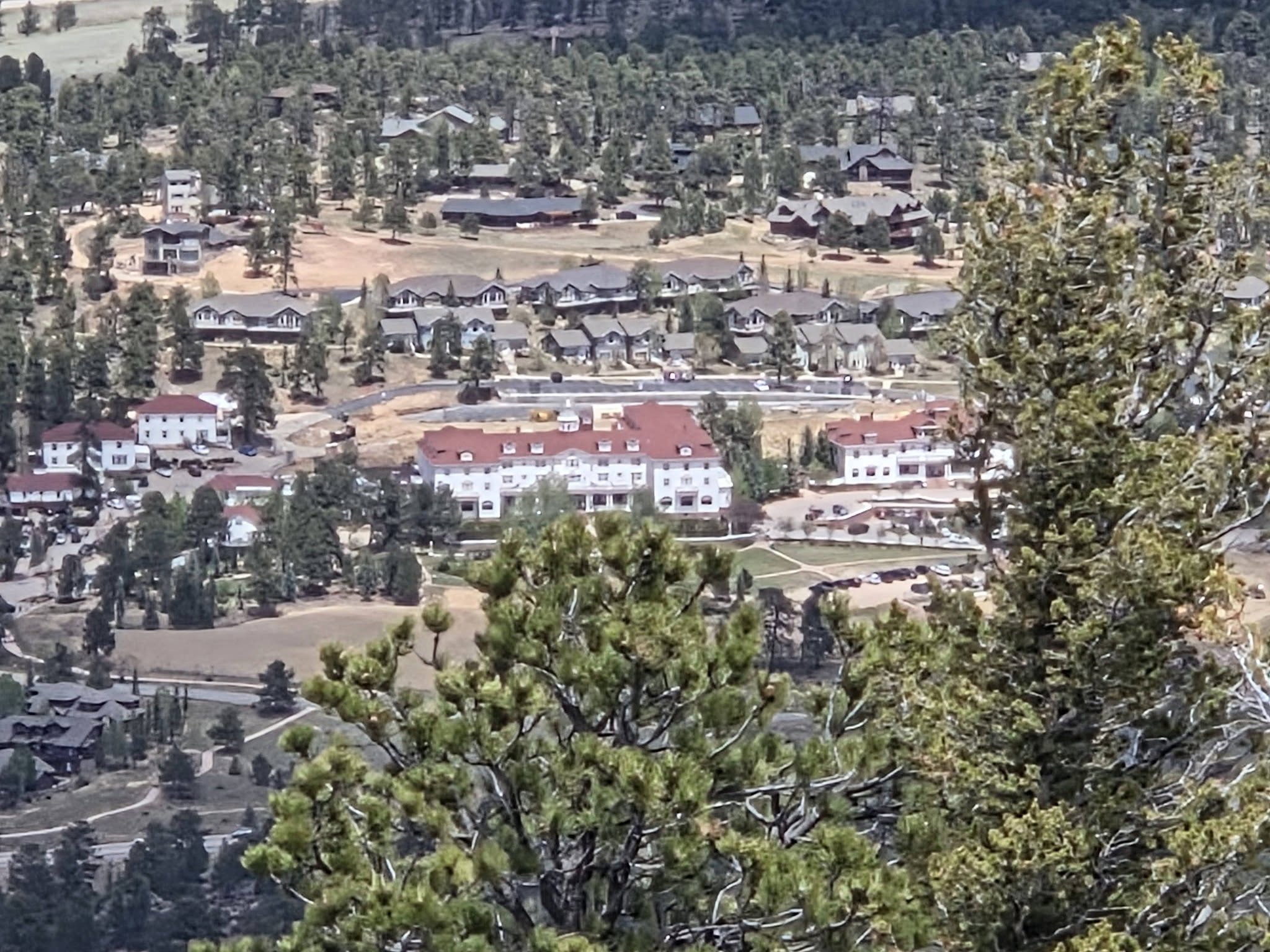
Built in 1909, the Stanley showcases Colonial Revival architecture that’ll stop you in your tracks. Those white pillars and wraparound veranda? Pure elegance. You can’t help but feel transported when you step through those doors.
The grand staircase commands your attention the moment you enter – it’s where countless guests report seeing figures in period clothing ascending the steps. I spent an hour just sitting in the MacGregor Ballroom, watching light filter through those massive windows. The craftsmanship is insane… hand-carved woodwork, original chandeliers, floors that creak in just the right way to make your imagination run wild. Every corner has this weight to it, this presence. And yeah, maybe that’s just because you know the stories, but the architecture itself creates an atmosphere that modern hotels simply can’t replicate.
Why do you try one of those evening ghost tours
Your skepticism won’t last long once the tour starts at dusk. Guides share documented paranormal experiences while leading you through restricted areas. I’m not saying you’ll see something… but the energy shift is real.
The tour takes you places regular guests never see – down into the tunnels, up to the fourth floor where most activity happens, into rooms where EMF readers go absolutely nuts. I watched a grown man jump when piano music drifted from the empty Music Room. Our guide showed us photos guests have taken over the years, and some of that stuff? Can’t be explained away by lens flares or dust. They don’t try to scare you with cheap tricks – they just tell you what’s happened and let the building do the rest. You’ll meet other guests who’ve had experiences, swap stories, and maybe catch something on your phone camera. Best part? The tour ends in the Whiskey Bar, where you can process everything over a drink, because trust me, you’ll need it.
What’s the Vibe Like Wandering Down Elkhorn Avenue?
Picture yourself stepping out of your hotel on a crisp mountain morning, coffee in hand, ready to explore the heart of Estes Park. Elkhorn Avenue buzzes with that perfect mix of mountain town charm and tourist energy – you’ve got families licking ice cream cones next to serious hikers gearing up for the backcountry. The storefronts blend old-school Western character with modern mountain chic, and yeah, there are plenty of tourists, but it never feels overwhelming.
Taking a chill stroll along the Big Thompson Riverwalk
Just off the main drag, the riverwalk offers instant peace from the shopping crowds. I love ducking down here when Elkhorn gets too busy – the rushing water drowns out everything else, and you might spot elk grazing along the banks during early morning or evening hours.
Honestly, you can’t leave without trying the local taffy and fudge
Every candy shop along Elkhorn pulls you in with massive windows showcasing taffy-pulling machines working their hypnotic magic. The sweet smell hits you half a block away, and before you know it, you’re sampling flavors you didn’t know existed.
Laura’s Fudge Shop has been my go-to since my first visit – their rocky road fudge is dangerously good, and I’m not even usually a fudge person. You can watch them make it fresh in copper kettles right behind the counter, which somehow makes it taste even better. The taffy comes in wild flavors like huckleberry and prickly pear, but I always grab a bag of the classic vanilla because sometimes simple wins. Most shops let you sample before buying, so don’t be shy about trying a few pieces. Just be warned… you’ll end up buying way more than you planned because it all tastes amazing when you’re standing there in vacation mode.
Finding the coolest gear and handmade stuff in the boutiques
Between the tourist traps, you’ll discover genuine outdoor outfitters and local artisan shops selling everything from hand-thrown pottery to custom leather goods. I always budget extra time for browsing because you never know what unique piece you’ll find.
Macdonald Book Shop deserves a solid hour of your time if you’re into books – it’s this wonderfully cluttered three-story maze packed with new and used titles about Colorado, hiking, and wildlife. The outdoor gear shops aren’t just selling souvenirs either… places like Estes Park Mountain Shop carry serious equipment if you realize mid-trip that your hiking boots aren’t cutting it. I picked up a handmade wooden hiking staff from one of the smaller boutiques on my last visit, and it’s become my favorite trail companion. The jewelry stores often feature work from local artists using Colorado stones and metals, so if you want a souvenir that’s actually meaningful, skip the generic t-shirts and check out those spots.
Types of Mountain Getaways You Can Have Here
Estes Park caters to every kind of mountain escape you’re dreaming about. Whether you’re chasing summit views, craving peaceful cabin retreats, or planning budget-friendly family adventures, this mountain town delivers. Check out lodging in Estes Park, Colorado, for accommodation options that fit your style. Any type of traveler finds their perfect match here.
| Getaway Type | Best For |
| Peak Bagger Adventure | Experienced hikers seeking challenging trails and summit experiences |
| Cozy Cabin Retreat | Relaxation seekers wanting fireplaces, mountain views, and quiet time |
| Family-Friendly Fun | Budget-conscious families looking for accessible outdoor activities |
| Wildlife Photography | Nature enthusiasts and photographers capturing elk and mountain scenery |
| Romantic Escape | Couples seeking intimate mountain dining and scenic overlooks |
The “I want to hike every peak” adventure type
Serious hikers find their paradise on Longs Peak and dozens of alpine trails threading through Rocky Mountain National Park. You’ll tackle everything from moderate lake hikes to 14,000-foot summit challenges that test your endurance. Pack your trekking poles and start early – afternoon thunderstorms are real. Any peak bagger’s bucket list grows exponentially here.
The “I’m just here for the cozy cabin vibes” relaxation type
Sometimes you just need a crackling fireplace, a good book, and mountain views from your window. Estes Park’s cabin rentals offer that perfect blend of rustic charm and modern comfort. You can spend entire days doing absolutely nothing except watching elk graze nearby. Any stress you brought melts away fast.
I’ve spent countless mornings on cabin porches here, coffee in hand, watching the sun light up the peaks. There’s something deeply restorative about waking up to pine-scented air instead of alarm clocks. The best cabins sit just outside town, where you get privacy but can still walk to restaurants when you don’t feel like cooking. You don’t need an agenda – that’s actually the whole point. Some of my most memorable Estes Park trips involved zero hiking and maximum porch time. The mountains work their magic whether you’re climbing them or just admiring them from a rocking chair.
The family-friendly fun that won’t break the bank
Families discover that Rocky Mountain National Park passes unlock days of affordable adventure for everyone. Your kids can spot wildlife, splash in mountain streams, and earn their Junior Ranger badges without expensive admission fees. Easy trails like Bear Lake work perfectly for little legs. Any family budget stretches further here than in typical vacation spots.
I’ve watched families create incredible memories here without dropping a fortune on theme parks or resorts. The park’s free ranger programs teach kids about ecosystems and geology in ways that actually stick with them. You can pack picnic lunches, explore different trailheads each day, and let natural curiosity guide your adventures. Downtown Estes Park has affordable ice cream shops and souvenir stores that won’t destroy your wallet. And honestly? Kids remember the elk sightings and stream crossings way more than they’d remember another overpriced attraction. The YMCA of the Rockies offers particularly good value for families wanting structured activities plus accommodation in one package.
Step-by-Step Guide to Nailing Your First Day in Town
Your first day in Estes Park can make or break your entire trip, and I’ve learned this the hard way after multiple visits. Getting the timing right, knowing where to go, and having your paperwork ready will save you hours of frustration. Below is my tried-and-tested schedule that ensures you hit all the right spots without feeling rushed or overwhelmed.
| 6:00 AM – 8:00 AM | Hit the trails before crowds arrive |
| 8:30 AM – 10:00 AM | Breakfast at a local café downtown |
| 10:30 AM – 2:00 PM | Explore the Rocky Mountain National Park |
| 2:30 PM – 5:00 PM | Rest and explore downtown shops |
| 6:00 PM – 8:30 PM | Sunset dinner with mountain views |
Getting your entry permits sorted before you even leave home
Timed entry permits for Rocky Mountain National Park sell out weeks in advance during peak season, and showing up without one means you’re not getting in. Book your permits at Recreation.gov at least two weeks before your trip. I always set a phone reminder because permits drop at specific times.
How to beat the crowds at the most popular trailheads
Parking lots at Bear Lake and Alberta Falls fill up by 7 AM during summer, so you need to arrive before sunrise or take the park shuttle. I’ve watched countless visitors turn around disappointed because they slept in. Start your hike in darkness if necessary – it’s worth it.
The shuttle system runs from late May through October, and honestly? It’s become my preferred way to access trailheads. You can park at the Park & Ride near the Beaver Meadows entrance and catch shuttles every 15-30 minutes, depending on the season. This lets you sleep in a bit while still avoiding the parking nightmare. Bear Lake Trail and Dream Lake are absolutely packed by mid-morning, but if you’re on the trail by 6:30 AM, you’ll have these spots practically to yourself for photos. The early morning light hitting Hallett Peak is something you can’t experience any other time of day anyway.
Another trick I use is hitting the less-famous trails on weekends. While everyone rushes to Bear Lake, trails like Cub Lake or Gem Lake may see maybe a quarter of the traffic. You get the same stunning views without playing human Tetris on the trail.
Finding the perfect spot for a sunset dinner with a view
The rooftop at Kind Coffee or the patio at Bird & Jim offer unobstructed sunset views over the Continental Divide. You’ll want reservations for sit-down spots, but grab-and-go options let you picnic at Lily Lake. Pack layers because temperatures drop 20-30 degrees after sunset.
Lily Lake has become my go-to spot when I want a more intimate sunset experience. It’s just a few miles south of town on Highway 7, and there’s a gentle walking path around the entire lake that takes maybe 45 minutes. Bring a blanket, some takeout from Smokin’ Dave’s BBQ, and watch the alpenglow light up the peaks. The reflection in the water is absolutely magical when the wind dies down.
If you prefer a proper restaurant experience, make your reservation for 6:30 PM in summer or 5:00 PM in fall. The Dunraven Inn sits about 10 minutes outside town and has floor-to-ceiling windows facing Longs Peak. Their Italian food is solid, but let’s be
Factors That Can Make or Break Your Mountain Trip
Planning your Estes Park adventure requires understanding three game-changing factors that I’ve seen trip up even experienced travelers. Your mountain experience depends heavily on:
- Weather patterns that shift without warning
- Altitude effects on your body
- Accommodation location choices
Though these might seem like minor details, they’ll determine whether you have an amazing trip or a miserable one.
Why the weather here is totally unpredictable, and what to do
Mountain weather changes faster than you can say “blue sky.” I’ve experienced sunshine, hail, and snow all in one afternoon at 8,000 feet. Pack layers, bring a waterproof jacket, and check forecasts hourly. Though you can’t control the weather, you can definitely prepare for it.
How the high altitude affects your body (stay hydrated!)
Estes Park sits at 7,522 feet elevation, and your body will feel it immediately. Headaches, fatigue, and shortness of breath are common during your first day or two. Drink water constantly – I mean way more than usual. Though altitude sickness sounds scary, proper hydration prevents most problems.
Your body needs time to adjust to the reduced oxygen levels at high elevation, and this process can’t be rushed. I learned this the hard way on my first visit when I tried hiking Trail Ridge Road on day one and felt absolutely terrible. The air up here contains about 25% less oxygen than at sea level, which means your heart and lungs work overtime to compensate.
Symptoms can hit anyone regardless of fitness level – I’ve seen marathon runners struggle while casual hikers do fine. Drink at least twice your normal water intake, avoid alcohol for the first 24 hours, and take it easy on day one. If you start feeling dizzy or nauseous, descend to a lower elevation immediately. Some people benefit from spending their first night in Denver (at 5,280 feet) before heading up to Estes Park, giving their body a gentler adjustment period.
Choosing between staying downtown and out in the woods
Location matters more than you’d think when booking accommodation. Downtown Estes Park offers walkability and restaurants, while secluded cabins provide wildlife encounters and stargazing. Each option creates a completely different vacation vibe. Though both have merit, your choice depends on your priorities.
Downtown stays put you within walking distance of shops, breweries, and the famous Stanley Hotel. You’ll hear elk bugling right from your hotel balcony during the fall, and you can grab breakfast without driving anywhere. But you’ll also deal with tourist crowds and limited parking during peak season.
Cabins outside town offer something magical – waking up to deer in your yard, complete silence except for wind through pines, and incredible night sky views without light pollution. The trade-off? You’re driving 10-20 minutes for every meal and activity. I’ve done both, and honestly, the cabin experience feels more authentically “Colorado” to me. You get that sense of isolation and connection to nature that’s hard to find downtown. Just make sure you book early because the best secluded spots fill up months in advance, especially for summer and fall visits.
Pros and Cons of Visiting During the Busy Summer Months
Summer in Estes Park pulls in massive crowds, and I’m going to be straight with you – there are good reasons for that chaos. But before you book those July flights, you need to understand what you’re actually signing up for.
| Pros | Cons |
| Perfect weather with warm days and cool nights | Parking lots fill up by 7 AM at popular trailheads |
| All trails and high-elevation areas are snow-free | Hotel prices double or triple their off-season rates |
| Every shop, restaurant, and attraction is open | Downtown sidewalks become shoulder-to-shoulder crowds |
| Wildlife viewing is excellent in the early morning | Traffic jams on Elkhorn Avenue can last 30+ minutes |
| Long daylight hours for extended adventures | Reservations required weeks or months in advance |
| Wildflowers peak in July and August | Popular trails feel like highway rush hour |
| Full calendar of festivals and events | Afternoon thunderstorms are nearly guaranteed |
| Best time for family activities and kids’ programs | Wait times at restaurants can exceed 2 hours |
The good stuff: Perfect weather, and everything is open
Days in summer, Estes Park hits that sweet spot of 70-80°F where you’re comfortable hiking without freezing at elevation. Every single business operates at full capacity, trails are completely accessible, and you won’t worry about snow closures ruining your plans.
The annoying stuff: Traffic jams and crowded sidewalks
Picture this: you’re sitting in your car on Elkhorn Avenue, inching forward at a snail’s pace while tourists dart between vehicles trying to cross the street. Summer crowds transform this mountain town into something that feels uncomfortably urban at times.
I’ve spent 45 minutes just trying to get from one end of downtown to the other during peak summer afternoons. The main drag becomes a parking lot, and good luck finding an actual parking spot anywhere near the shops or restaurants. You’ll see people circling the same blocks over and over, getting increasingly frustrated. And the sidewalks? Forget about a stroll – you’re basically in a slow-motion stampede of families with strollers, groups stopping suddenly to take photos, and everyone trying to peek into the same handful of popular shops. Trail parking lots at Rocky Mountain National Park fill up before sunrise, which means you’re either setting an alarm for 5 AM or you’re not hiking where you planned.
Why the “shoulder season” might actually be a better bet
September and early October offer stunning fall colors without the summer madness. You’ll actually find parking, enjoy shorter wait times at restaurants, and experience the park’s beauty in relative peace while the weather remains pleasant.
I’m talking about a completely different experience here. Late spring (May-early June) and fall (September-October) give you about 70% of summer’s benefits, with maybe 30% of the headaches. Sure, some high-elevation trails might still have snow patches in May, and you’ll need to check which businesses have limited hours. But here’s what you gain – you can actually stop your car downtown and park within five minutes. Restaurant reservations? You might even walk in without one. The elk rut happens in fall, which is honestly more dramatic than summer wildlife viewing anyway. Hotel prices drop significantly, sometimes by half. And those Instagram-worthy
Tips for Getting the Most Out of Your Tramway Ride
Planning makes all the difference when you’re heading up to Prospect Mountain. I always tell people to arrive early in the morning to beat the crowds and catch that incredible golden hour lighting. Your best bet is to check the weather forecast before you go because conditions can change dramatically at elevation. This experience becomes truly unforgettable when you’re prepared.
- Book your tramway tickets online at least 48 hours in advance
- Bring layers of clothing for temperature changes
- Pack sunscreen and sunglasses for high-altitude sun exposure
- Charge your camera batteries fully before departure
- Allow at least 2-3 hours for the complete experience
Why you should definitely book your tickets online early
Online reservations guarantee your spot during peak summer months when walk-up tickets sell out by 10 AM. You’ll save money too – I’ve noticed the website often has discount codes that aren’t available at the ticket window. This simple step prevents disappointment and lets you plan your entire day around your confirmed time slot.
What to pack in your bag for the summit weather
Temperatures at the summit drop 20-30 degrees compared to town, even on sunny July days. I never go up without a windbreaker, warm fleece, and closed-toe shoes because that wind can be brutal. This preparation keeps you comfortable while everyone else is shivering in their shorts.
The summit weather can shift from sunny to stormy in minutes, and I’ve watched countless unprepared visitors cut their visit short because they didn’t bring the right gear. Your bag should include a lightweight waterproof jacket (those afternoon thunderstorms are no joke), a warm mid-layer like fleece or down, and definitely a hat – the wind up there will mess up your hair anyway, so you might as well stay warm. I also pack lip balm with SPF and hand warmers during shoulder seasons because the combination of wind and altitude creates a chill factor that catches people off guard. Water is important too, since the high altitude dehydrates you faster than you’d think, and trust me, there’s nothing worse than getting altitude sick when you’re trying to enjoy those views. The gift shop at the top sells emergency layers, but they’re overpriced, and the selection is limited, so save yourself the money and hassle.
How to get those perfect 360-degree panoramic photos
Positioning yourself at the observation deck’s corners gives you unobstructed views in multiple directions. I shoot in landscape mode and take overlapping shots that I can stitch together later. This technique captures the full majesty of the Continental Divide spread out before you.
Getting that perfect panoramic shot requires more than just spinning around with your phone held high. I’ve learned to arrive at the summit during the first or last tramway runs of the day when the lighting is softer, and the crowds are thinner – nothing ruins a panorama faster than someone’s elbow photobombing your shot. Start by finding a central spot on the observation deck and mark your starting point mentally (I usually pick a distinctive rock or railing post), then rotate slowly in a clockwise direction, overlapping each frame by about 30% to make stitching easier later. Your phone or camera should be held at the same height and angle for each shot – I actually use the railing as a stabilizer to keep everything level. The panorama mode on most smartphones works okay, but for truly stunning results, I take individual photos and use free apps like Microsoft ICE or Hugin to merge them. Don’t forget to shoot in the highest resolution your device allows, and if you’re using a real camera, manual mode with locked exposure settings prevents those annoying brightness variations between frames that make your final panorama look.
My Secret Advice for Avoiding the Tourist Traps
Most people think they’ve discovered the “real” Estes Park when they stumble into a shop selling elk antler chandeliers, but I’m here to tell you – you haven’t even scratched the surface yet. The best experiences in this mountain town happen away from Elkhorn Avenue’s main drag, where tour buses unload by the dozen. I’ve spent enough time here to know which spots the locals guard jealously and which trails empty out after 9 AM.
Where the locals actually go for a quiet cup of coffee
Forget the crowded coffee chains on the main strip. I head to Kind Coffee on Moraine Avenue, where you’ll find park rangers and trail crew members fueling up before dawn. Their pour-over is exceptional, and you won’t wait behind fifteen tourists debating latte flavors.
Hidden gems that most people drive right past
Everyone rushes straight to Bear Lake, but Lily Lake sits just off Highway 7 with stunning mountain views and a fraction of the crowds. The easy loop trail takes thirty minutes, and I’ve had entire mornings there with just the marmots for company.
Lily Lake isn’t the only overlooked treasure along this route. Just three miles south, you’ll find the Copeland Falls trailhead – a gentle hike that leads to a beautiful cascade without the parking lot nightmare of Alberta Falls. I always pack a lunch and sit on the rocks here because something about the sound of rushing water makes everything else fade away. The wildflowers in July are absolutely ridiculous, carpeting the meadows in colors that don’t look real.
But here’s what really gets me… people drive past the Alluvial Fan without even slowing down. This debris field from the 1982 Lawn Lake flood created one of the most dramatic geological features in the park, and you can walk right up to it. The raw power of nature is on full display here, with massive boulders scattered like toys. Park in the lot near Endovalley Road and take the short walk – it’s maybe ten minutes round trip, yet I’ve never seen more than a handful of visitors there.
How to enjoy the park without getting stuck in a line
Start your hikes before 6 AM or after 4 PM – seriously, timing is everything in Rocky Mountain National Park. I’ve watched the Bear Lake parking lot fill by 7:30 AM in summer, while those early birds get primo spots and empty trails.
The timed entry permit system changed everything, but most visitors don’t realize you can skip it entirely by entering before 5 AM or after 6 PM during peak season. I’ve done some of my most memorable hikes in the evening light when everyone else is heading back to town for dinner. The elk are more active at dusk anyway, and you’ll get those golden hour photos without photobombers in the background.
Weekdays make a massive difference, too. I know not everyone has that flexibility, but if you can swing a Tuesday or Wednesday visit instead of Saturday, you’re looking at maybe 40% fewer people on popular trails. And don’t overlook the west side of the park near Grand Lake – it gets a fraction of the traffic because it’s further from Denver, but the scenery is equally spectacular. The Colorado River Trail on the west side offers solitude that’s nearly impossible to find on the Estes Park side during summer months.
Why I Think Every Trip Needs a Little Bit of History
Understanding where you’re standing makes every mountain view hit different. I used to skip the historical stuff completely, but Estes Park changed my perspective on how the past shapes what we see today. You can’t really appreciate this town without knowing the stories behind it, and honestly, the history here is way more interesting than I expected.
Checking out the old-school mountain architecture
Buildings from the early 1900s line Elkhorn Avenue, and these structures survived brutal Rocky Mountain winters for over a century. I spent hours photographing the hand-hewn log construction and stone foundations that pioneers built without modern tools. The craftsmanship tells you everything about the determination it took to establish a town at 7,500 feet in elevation.
Learning about the pioneers who built this town
Joel Estes discovered this valley in 1859, but it was the homesteaders who followed that truly carved out a community in impossible conditions. Walking through town, you’ll see plaques marking original homestead sites where families raised children and livestock in log cabins. The stories are pretty wild when you think about it.
Homesteading records show that women played an absolutely huge role in establishing Estes Park – they ran lodges, guided hunting trips, and managed ranches while their husbands were away. I found myself drawn to stories of people like Freelan Stanley (yes, the Stanley Hotel guy), who arrived in 1903 with tuberculosis and ended up transforming the entire town’s economy. The perseverance these people showed through avalanches, harsh winters, and complete isolation from supply routes is something I think about every time I complain about my Wi-Fi connection. You can still visit some of the original homestead cabins scattered around town, and standing inside those tiny spaces really puts their daily struggles into perspective.
Visiting the local museums that aren’t actually boring
The Estes Park Museum sits in a historic building and displays actual artifacts from the 1800s that you can get surprisingly close to. I’m talking original tools, clothing, and photographs that make you feel connected to real people. Your admission is just a suggested donation, so there’s no excuse to skip it.
What surprised me most was how interactive everything felt – the museum staff actually encourages you to ask questions and handles some artifacts during demonstrations. The MacGregor Ranch Museum offers guided tours through a working historic ranch that’s been continuously operated since 1873, and you get to see how ranching equipment evolved over 150 years. I spent way longer than planned at both places because the docents share stories you won’t find in any guidebook… like how residents used to ice skate on what’s now Lake Estes, or the time a massive flood in 1982 reshaped the entire downtown area. These museums pack serious historical punch without feeling like homework, and the air conditioning is a nice bonus during summer afternoons when the mountain sun gets intense.
Here’s How to Pack Like a Pro for the Rockies
Packing for Estes Park requires more strategy than your typical vacation, and I’ve learned this the hard way after watching tourists shiver in tank tops at 9,000 feet. The dramatic temperature swings between morning and afternoon can catch you off guard – you might start your hike in a winter jacket and end it in shorts. You’ll want to check out the latest tips on Estes Park, CO Lodging | Blog for seasonal packing advice that locals actually use.
The vital layers you’ll need for changing temperatures
Layering isn’t just smart in the Rockies – it’s necessary for survival when temps can drop 30 degrees in an hour. I never hit the trails without at least three distinct layers that I can add or remove as the day progresses and elevation changes.
| Base Layer | Moisture-wicking synthetic or merino wool shirt that keeps sweat off your skin |
| Mid Layer | Fleece or lightweight down jacket for insulation when temperatures drop |
| Outer Layer | Waterproof, windproof shell jacket to protect against sudden storms |
| Bottom Layers | Quick-dry hiking pants with zip-off legs or convertible options |
What kind of shoes do you actually need for the trails
Broken-in hiking boots with ankle support and aggressive tread are non-negotiable for rocky mountain terrain. Your cute sneakers won’t cut it when you’re scrambling over boulders or dealing with loose scree on steep inclines.
I’ve seen way too many people turn back from amazing trails because they showed up in running shoes or fashion boots. The trails around Estes Park feature everything from smooth paths to technical scrambles, and you need footwear that can handle sudden weather changes. Waterproof boots saved me during an unexpected afternoon thunderstorm last summer when the trail turned into a muddy stream within minutes. Break them in before your trip, though – blisters at altitude are miserable and can ruin your entire vacation.
The gear you shouldn’t forget for a day in the park
Your daypack needs to include sun protection, extra water, and emergency supplies, even for short hikes. The high altitude sun is no joke, and dehydration sneaks up on you faster than you’d think at 8,000+ feet elevation.
I always pack at least 3 liters of water per person because you’ll drink way more than expected in the thin air. Sunscreen with SPF 50+ is mandatory – the UV rays are 25% stronger at this elevation, and I learned that lesson with a painful sunburn on what I thought was a cloudy day. Bring a hat with a wide brim, polarized sunglasses, high-energy snacks like trail mix or energy bars, a basic first aid kit, and a headlamp, just in case your hike takes longer than planned. And yeah, throw in an extra layer even if it seems warm… because mountain weather changes fast and you don’t want to be that person shivering at the summit while everyone else enjoys the view.
Estes Park Colorado
Drawing together everything I’ve shared with you about Estes Park, I can’t help but think this place works its magic differently on everyone who visits. Your experience in these mountains will be uniquely yours – whether you’re chasing elk at dawn, sipping coffee on a historic hotel porch, or just breathing in that impossibly clean air. I hope these postcards inspire you to create your own Rocky Mountain memories.
FAQ about Estes Park
What’s the best time of year to visit Estes Park for postcard-worthy views?
Most people assume summer is the prime time, but you’d be surprised how many professional photographers actually prefer September and early October. The aspen trees turn this brilliant gold color that makes the Rocky Mountains look like they’re on fire, and the elk are in full rut, which means you’ll catch some seriously dramatic wildlife moments. Summer (June through August) does offer wildflowers, and all the hiking trails are accessible, so there’s that. But here’s the thing… you’re also dealing with massive crowds and afternoon thunderstorms that roll in like clockwork around 2 pm. The light gets flat and gray, which isn’t great for photography. Winter transforms Estes Park into something completely different. The snow-capped peaks against blue skies? Chef’s kiss. You’ll get those classic postcard shots without fighting for parking spots. Just pack layers because it can swing from 50 degrees to 20 degrees in the same day.
Where are the must-visit spots in Estes Park for capturing authentic Rocky Mountain postcards?
Bear Lake is the obvious answer, and yeah, it’s popular for a reason – that perfect reflection shot of Hallett Peak is basically Instagram gold. But if you want something less crowded, head to Sprague Lake around sunrise. The glassy water reflects Longs Peak, and you can walk the entire loop in about 30 minutes. Downtown Estes Park, along Elkhorn Avenue, gives you that charming mountain-town vibe, with the peaks looming in the background. The old Stanley Hotel (yes, the one from The Shining) sits up on the hill and offers panoramic views that are absolutely worth the drive up. Here’s a spot locals don’t always share – Lily Lake. It’s right off Highway 7 and offers killer views of Longs Peak without the Rocky Mountain National Park entrance fee. The trail around it is easy and wheelchair-accessible, and you can snag some gorgeous shots in about an hour. Moraine Park at dawn or dusk will give you those sweeping meadow views with elk grazing and mountains rising behind them.
Do I need professional camera equipment to take postcard-quality photos in Estes Park?
Your smartphone is honestly good enough these days, which would’ve sounded crazy ten years ago. The scenery does most of the heavy lifting for you – the mountains are so dramatic that even a basic point-and-shoot will capture something beautiful. That said, a decent camera with a wide-angle lens helps you capture the full scope of those mountain vistas. The valleys are huge, and your phone’s lens sometimes can’t quite get everything in frame. A tripod becomes pretty handy for those early morning or sunset shots when the light is low, and you need stability. What matters way more than gear? Timing and weather. Golden hour (the first hour after sunrise and the last hour before sunset) makes everything look magical. Clouds add drama to your sky instead of that boring flat blue. And patience… because sometimes you’ll wait 20 minutes for that perfect moment when the light hits just right, or an elk wanders into your frame. The best postcard shots come from being in the right place at the right time, not from having a $3000 camera.