Table of Contents
Exploring Peru’s vibrant culture can be an unforgettable experience. To fully engage with the locals, it is important to learn about their customs and traditions. Participating in local festivals, trying authentic Peruvian cuisine, and respecting their values will deepen your understanding and enjoyment of the country. Being aware of specific etiquette in Peru travel is essential to avoid misunderstandings. This guide will help you navigate social norms and foster genuine connections during your travels.
Key Takeaways:
- Participate in traditional festivals and local events to immerse yourself in the vibrant Peruvian culture and connect with the community.
- Explore local markets, try regional dishes, and engage with local artisans to appreciate the diversity and richness of Peruvian culture.
- Learn basic Spanish phrases to enhance interactions with locals and show respect for their language and customs.
Where to Start in Peru
Exploring Peru’s cultural tapestry begins with immersing yourself in the vibrancy of local experiences. One of the best ways to examine the culture is by participating in local festivals. These celebrations form the heartbeat of Peruvian communities, showcasing traditional music, dance, cuisine, and art. Festivals like Inti Raymi (the Festival of the Sun) in Cusco or the Virgen de la Candelaria in Puno provide you with the opportunity to witness ancient customs and lively parades. Engaging with the locals during these festivities not only allows you to appreciate the rich cultural heritage but also offers a unique opportunity to interact with the community on a deeper level. Take this chance to join in the celebrations, savor traditional dishes, and experience the distinct atmosphere that makes these events truly unforgettable.
Participating in Local Peru Festivals
Festivals are a celebration of life and the unique traditions of communities throughout Peru. From the colorful attire worn by participants to the rhythmic sounds of Andean music wafting through the streets, these events provide a sensory feast. For instance, during the Semana Santa (Holy Week) in Ayacucho, you can witness captivating processions filled with elaborate carvings and religious iconography that reflect a blend of Indigenous and colonial history. Engaging directly with locals as they prepare for these events often leads to warm conversations and the formation of new friendships.
Peru Workshops & Classes
Gaining hands-on experience through workshops or classes is another amazing way to connect with local culture. You can participate in cooking classes to learn how to prepare Peruvian dishes like ceviche or lomo saltado, or even try your hand at traditional weaving techniques that have been passed down through generations. These workshops not only teach valuable skills but also offer insight into the significance of these practices within Peruvian culture, fostering a deeper appreciation for your experiences. Many classes are led by local artisans or chefs who share their passion and expertise, making it easy to grasp the cultural significance of what you’re creating.
In urban centers like Cusco and Lima, organizations frequently host workshops that cater to diverse interests, ranging from pottery to tango dance lessons, and each experience is carefully crafted to foster engagement. Exploring options listed on websites such as 10 Cultural Immersion Tips | How to Live Like a Local can get you started. Not only do you develop a new skill, but you simultaneously forge connections with local culture and the people you’d otherwise miss while skimming the surface. Taking part in these workshops often leads to a sense of belonging, making your travels in Peru even more enriching.
Language as a Gateway: Embracing Spanish
Engaging with local culture in Peru becomes substantially enriching when you delve into the language spoken. Spanish serves not just as a means of communication but as a bridge to understanding the deep-rooted customs and values of the Peruvian people. Grasping even a few phrases can transform your interactions with locals, fostering friendships and offering insights into their daily lives. Whether it’s ordering a meal or asking for directions, speaking Spanish opens doors to experiences otherwise hidden from non-speakers. This linguistic journey invites you to explore the nuances of regional dialects and expressions unique to Peruvian Spanish, enhancing your cultural immersion.
Essential Phrases for Daily Interactions
Equipping yourself with important Spanish phrases can dramatically enhance your experience in Peru. Simple greetings like “Hola” (Hello) and polite forms such as “Por favor” (Please) and “Gracias” (Thank you) lay the groundwork for friendly interactions. Asking for directions with “¿Dónde está…?” (Where is…?) not only aids in navigation but also displays your willingness to communicate, often prompting helpful responses from locals. As you settle into the rhythm of daily life, phrases such as “¿Cuánto cuesta?” (How much does it cost?) becomes invaluable for engaging in commerce while respecting both the language and culture. With these basic tools, you can enjoy authentic connections that enrich your travels.
Learning from Immersive Language Programs
Participating in immersive language programs can dramatically accelerate your learning process and cultural integration. Within these programs, you’re not just surrounded by native speakers; you’re also engaging in practical exercises that require you to use Spanish in real-life scenarios. From cooking classes that introduce you to local cuisine to workshops focused on traditional arts, your language skills develop organically as you practice speaking, listening, and interacting. Many language schools also offer cultural excursions, allowing you to visit historical sites or attend local Peruvian festivals while deepening your vocabulary and contextual comprehension. This immersive approach helps you build confidence in your language abilities while creating lasting memories of your time in Peru.
These programs often range in duration and intensity, catering to both beginners and advanced speakers. For instance, a four-week intensive course may involve daily classes complemented by evening conversation sessions with local partners. This format not only boosts your fluency but also helps you understand the subtleties of colloquial expressions and culturally specific references, facilitating genuine relationships with the people you meet along the way.
Exploring Peru Gastronomy
Must-Try Dishes and Street Food
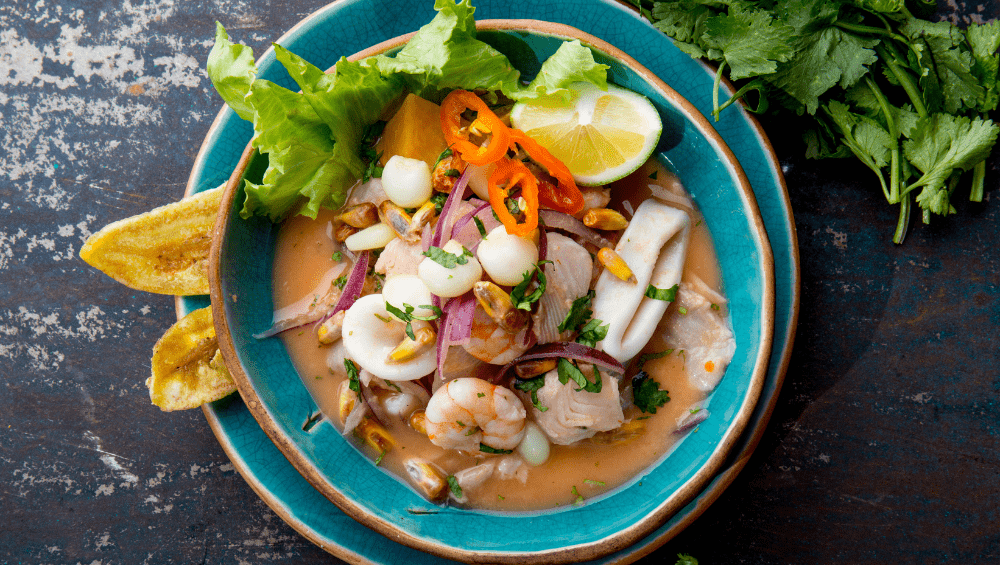
As you wander the vibrant streets of Peru, be sure to indulge in the diverse culinary delights that define this nation. Start with ceviche, a refreshing dish made of fresh raw fish marinated in lime juice, mixed with onions, chili peppers, and cilantro—each bite bursts with flavors that reflect the coastal influence of Peruvian cuisine. On a chilly evening, warming up with a bowl of aji de gallina—a creamy chicken stew served over rice—is a comforting experience that showcases the rich culinary heritage of the Andes. Don’t overlook anticuchos, skewers of marinated beef heart often grilled to perfection, showcasing the local penchant for bold flavors. Dive into the bustling food markets, where you can sample a variety of street foods, such as papas a la huancaína —potato slices dripping in a spicy cheese sauce —or the irresistible choclo con queso, a hearty corn on the cob paired with fresh cheese.
Cooking Classes with Locals
Engaging with Peruvian culture through its cooking classes offers a unique way to not only learn about the food but to connect personally with local families. Picture yourself in a warm kitchen, surrounded by the aromatic spices and fresh ingredients that are staples in Peruvian cooking. You’ll have the opportunity to cook classic dishes under the guidance of skilled chefs who share their family recipes that have been passed down through generations. Each class often culminates in a communal meal, allowing you to savor the fruits of your labor while exchanging stories and laughter with your hosts.
Many local cooking classes also include a trip to the market, which immerses you further into the culinary culture. You’ll explore local vendors selling colorful produce, spices, and ingredients pivotal to Peruvian recipes, such as quinoa and aji amarillo (yellow chili). This hands-on experience, paired with the warmth of a local kitchen, creates unforgettable memories that foster a deep appreciation for the rich tapestry of flavors that defines Peruvian gastronomy.
Art and Tradition: Understanding Indigenous Heritage
Visiting Artisan Markets and Exhibitions
Your journey into Peru’s rich artistic landscape begins in the bustling artisan markets, where creativity and tradition intertwine. Craftspeople showcase their skills passed down through generations, producing stunning textiles, intricate pottery, and vibrant jewelry. Places like the Mercado de Pisac in the Sacred Valley offer a kaleidoscope of colors, with stalls brimming with handmade goods that provide insight into the indigenous cultures. Exploring this market, you can find unique pieces, such as alpaca wool garments and ceramic art that reflect the Andean world, making them perfect mementos and gifts that embody the spirit of Peru.
Engaging with local artists directly enhances your experience tenfold. By participating in workshops, you can learn about traditional techniques used in textile weaving and pottery-making; this hands-on experience deepens your understanding of the cultural significance behind these arts. Establishments like the Centro de Textiles Tradicionales del Cusco offer workshops where you can not only create but also hear the stories behind the crafts, making your visit deeply personal and memorable.
Engaging with Traditional Music and Dance
The rhythm of Peru pulses through its traditional music and dance, reflecting the rich stories and traditions that comprise its diverse cultural tapestry. Witnessing performances of Marinera or Huaylas, you’ll be captivated by the beautiful movements and the stories told through dance. Festivals such as Inti Raymi, celebrated in Cusco, bring together communities to honor ancestral traditions, where you can immerse yourself in the vibrant colors and sounds that define Peru’s cultural identity.
Participating in local dance classes can provide an engaging way to connect with Peruvian heritage. You can find various community centers and cultural institutions offering lessons in traditional music and dance styles. Engaging with local musicians and dancers not only enriches your understanding but also creates memorable relationships, as you share in the joy of expression through movement and melody. Each beat and each step will resonate with the echoes of centuries past, making this connection to the indigenous heritage profound and lasting.
Supporting Local Communities
Choosing Ethical Tour Operators
Opting for ethical tour operators not only ensures a more authentic experience but also fosters economic growth in local communities. Look for companies that prioritize community engagement in their operations, whether through partnerships with local artisans or employment of local guides. For instance, a tour company promoting fair wages and sustainable practices may contribute a portion of its profits to community projects, such as schools or healthcare facilities. Your choice matters: by selecting operators focused on ethical practices, you’re directly contributing to the well-being and prosperity of the areas you visit.
Research is your ally in identifying responsible tour operators. Websites like Sustainable Travel International and Tourism for Tomorrow provide invaluable resources that evaluate operators based on their commitment to sustainability and community support. Pay attention to reviews that highlight the operator’s impact—testimonials from other travelers often reveal when a company is genuinely dedicated to enriching local cultures and enhancing environmental conservation.
Cultural Exchange in Peru
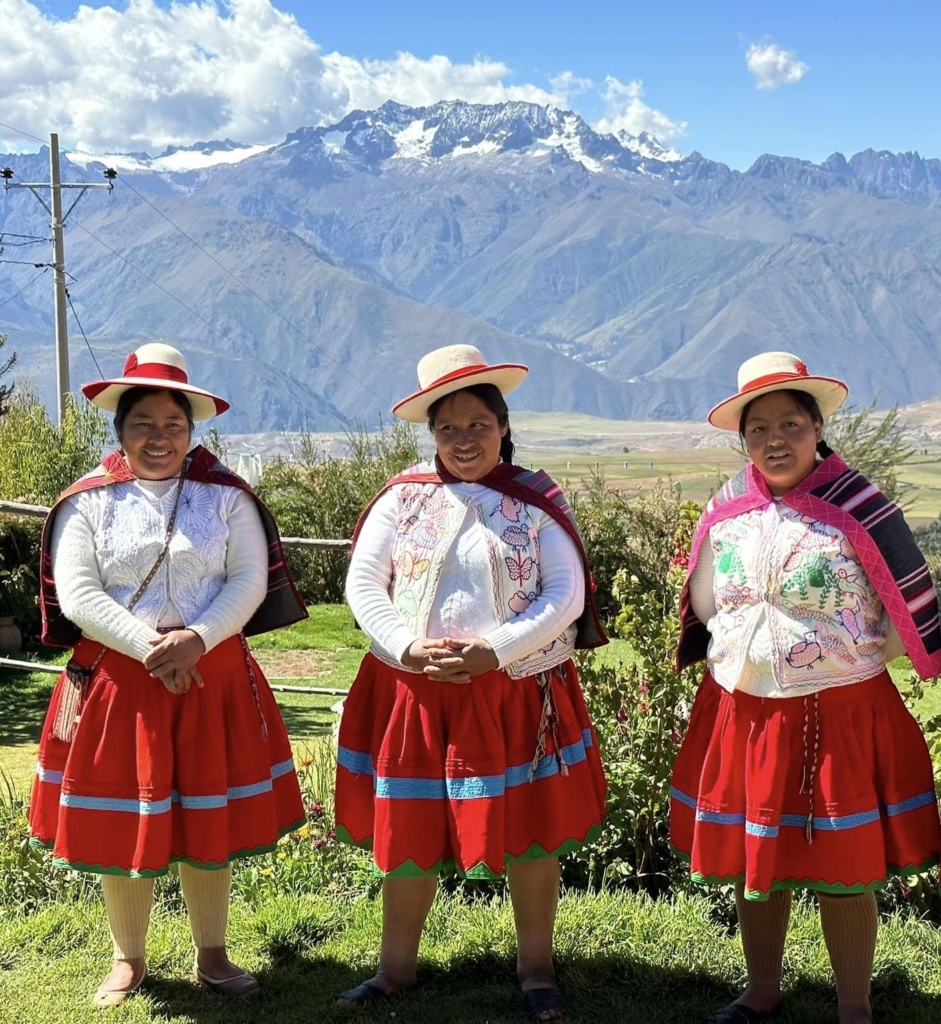
Engaging in volunteer work while traveling opens doors to meaningful cultural exchanges, allowing you to connect intimately with local communities. Organizations such as Workaway or WWOOF (World Wide Opportunities on Organic Farms) enable you to lend a hand in areas ranging from education to conservation projects, often immersing you in the daily life of the community. In Peru, consider volunteering in local schools where you can teach English, helping kids gain skills that may lead to future employment opportunities. You will leave a lasting impact while gaining rich insights into the local culture.
Volunteering can also involve supporting indigenous communities, where learning about their traditions, cultural practices, and challenges can profoundly enhance your travel experience. Many organizations facilitate programs that allow you to work alongside locals on sustainable farming practices, artisanal crafts, or community health initiatives. Not only will you contribute positively, but you’ll also take away unforgettable memories and friendships that transcend mere tourism.
All About Peru
Conclusively, engaging with local culture in Peru enriches your travel experience in ways that go beyond mere sightseeing. By immersing yourself in regional customs, savoring authentic cuisine, and engaging with traditional festivals, you forge deeper connections with your surroundings. Consider learning a few phrases in Spanish or the local Quechua dialect; this gesture can foster goodwill and open doors to friendly interactions with locals, enhancing your overall journey.
Your adventure in Peru becomes all the more meaningful when you approach it with an open mind and a genuine curiosity for the culture. Take the time to visit local markets, explore artisanal workshops, and consider volunteering for community projects. By doing so, you not only expand your understanding of Peru’s diverse heritage but also contribute positively to the communities you engage with, leaving a lasting impact on both you and the locals you meet.
FAQ about Peru
What are some cultural festivals in Peru that I should attend to engage with local culture?
Peru is rich in cultural festivals, with notable events such as Inti Raymi in Cusco, which celebrates the Incan sun god, and the Festival of Mistura in Lima, which highlights Peruvian cuisine. Attending these festivals offers a profound insight into local traditions, music, dance, and cuisine.
How can I connect with local artisans and their crafts in Peru?
Engaging with local artisans can be done by visiting markets and workshops, such as those in the San Pedro Market in Cusco or the handicraft workshops in the Sacred Valley. You can often participate in hands-on activities that allow you to learn about traditional techniques in weaving, pottery, or jewelry-making. This creates a meaningful connection with the culture.
What role does food play in experiencing Peruvian culture, and how can I explore it?
Food is a significant aspect of Peruvian culture, showcasing a blend of indigenous ingredients and culinary influences. To experience this, try traditional dishes like ceviche, lomo saltado, or ají de gallina at local eateries. You can also join a cooking class to learn about the history and preparation of these dishes, which adds an authentic aspect to your cultural experience.
How can I participate in local traditions and customs during my visit to Peru?
Participating in local traditions can be done by joining community events or celebrations, such as religious ceremonies or cultural performances. You can go ahead and check local listings or ask at your accommodation for upcoming events, if you like. Engaging with locals and asking questions demonstrates genuine interest, creating opportunities for more meaningful interactions.
What are some respectful ways to engage with indigenous communities in Peru?
When engaging with indigenous communities, it’s important to approach with respect and openness. Seek permission before taking pictures, participating in activities, or attending ceremonies, only if invited. Consider supporting local economies by purchasing handmade crafts. Engaging in dialogue and listening to their stories creates a more meaningful connection to their culture.